The sporting goods industry brings very different product worlds together under one roof. On one side are jerseys, tracksuits, and shoes that multiply with size and color variants; on the other are balls, dumbbells, rackets, and fitness equipment that differ by technical attributes such as weight, dimensions, and firmness. The customer side is just as diverse: sporting goods stores, clubs, schools, gyms, and municipalities all buy from the same company with different expectations.
In this article, we look at the concrete challenges that companies manufacturing or distributing sporting goods face in dealer sales, and how B2B software can ease those challenges.
The Size and Color Variant Matrix: One Product, Dozens of SKUs
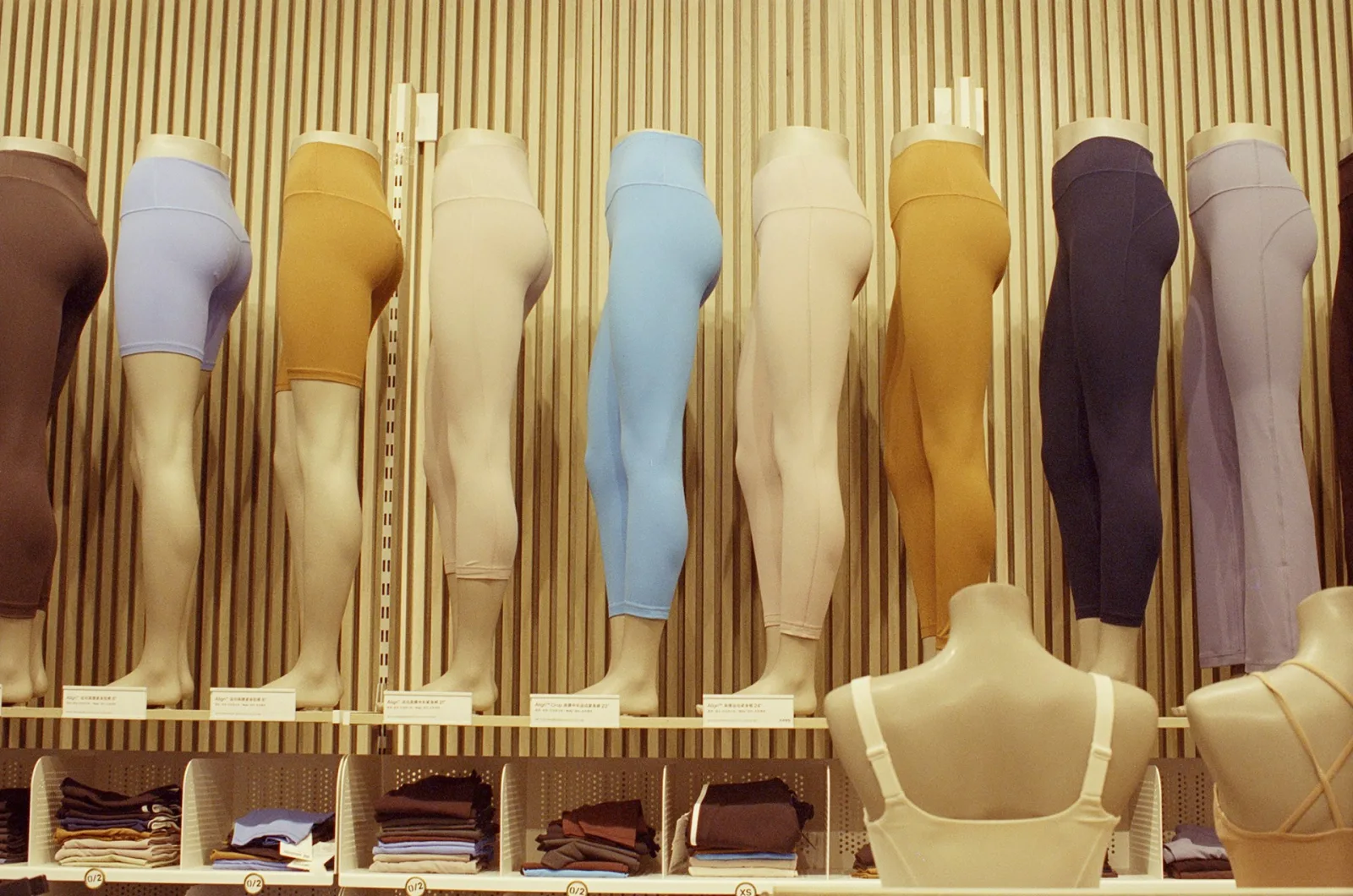
Picture a training tracksuit: 5 colors and 7 sizes from XS to 3XL. That means 35 separate SKUs for a single model. Add kids' sizes and shoe sizes from 36 to 46, and the catalog quickly reaches thousands of variants.
Having the dealer search for each variant separately and add it to the cart is both a waste of time and a source of errors. The dealer orders 10 in size L instead of 10 in size M, and the wrong product comes back as a return.
Ways to Display Variants Conveniently
- Model-based product page: The dealer sees the model first, with color and size options listed on the same page.
- Size and color grid: Quantities are entered into a grid with colors in rows and sizes in columns, and the order is placed in one go. This kind of easy entry is a must-have in a good system.
- Stock by variant: The stock of each size and color combination should be shown separately; "product in stock" information alone is not enough.
- Assorted (size run) packs: Offering retail dealers packs prepared with a set size distribution speeds up the ordering process.
In Multistok B2B, the bulk ordering via Excel feature lets large size-and-color orders be imported into the system quickly as a spreadsheet. How the variant structure is displayed on screen is configured during implementation according to your product structure. We also covered similar variant challenges in our article on dealer portals for footwear manufacturers.
Variants in Equipment: Weight, Dimensions, and Size
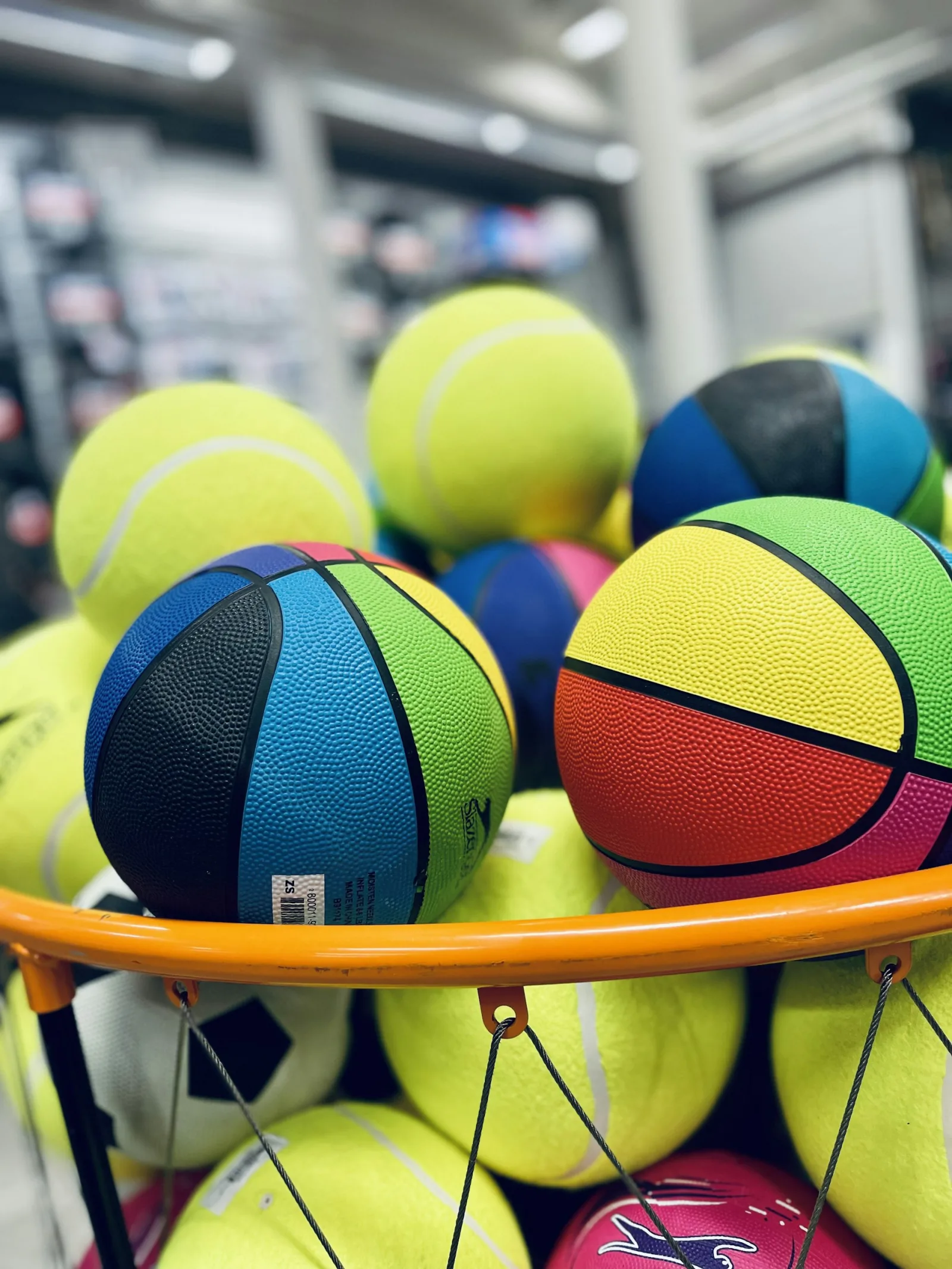
The variant issue isn't limited to apparel. Dumbbells and plates differ by kilogram, balls by size (for example, sizes 3, 4, and 5 for soccer balls), rackets by weight and grip size, and fitness bands by resistance level. Being able to find these products with the right filters and see the stock of each option separately makes it easier for dealers to recommend the right product to customers such as schools or gyms. Including information on intended use, material, and age group on the product page also lowers the rate of wrong orders and returns.
Seasonal Collections and Pre-Orders
In sportswear, products are usually prepared as spring-summer and fall-winter collections. Production or import plans are made months before the season, and orders from retail dealers need to be collected early to match this planning.
When the pre-order period isn't managed well, two problems arise: either too much is produced in sizes nobody asked for and has to be cleared out at a discount at the end of the season, or best-selling models sell out mid-season. Both situations directly affect profitability.
- Open the new collection to dealers early, along with estimated delivery dates.
- Report pre-orders broken down by model, color, and size, and turn them into a production plan.
- Set up tiered volume discounts or cart-based campaigns for dealers who order early.
- At the end of the season, offer remaining variants to specific dealer groups at special prices.
AI-powered demand forecasting draws on sales data from past seasons to give you insight into which sizes and colors may stand out. Because the details of the pre-order flow vary by company, they should be designed together during implementation.
Club, School, and Institutional Orders
Bulk orders from clubs, schools, gyms, and institutions are also an important source of revenue for sporting goods companies. These orders differ markedly from store orders.
| Attribute | Retail dealer order | Club and school order |
|---|---|---|
| Order timing | Pre-season and in-season reorders | Peaks around registration periods, the start of the school year, and before tournaments |
| Size distribution | Assorted packs or based on sales forecasts | Based on a roster, with a separate size for each player |
| Personalization | Usually none | Logo, name, and number printing is often requested |
| Pricing | Dealer price list and discounts | Project- or quantity-specific pricing |
| Delivery date | Flexible | Tied to a match or event date and cannot be postponed |
The quote stage is critical for these orders. With Multistok B2B's quote module, you can prepare PDF quotes, track revisions as versions, and send quotes via WhatsApp or email. Defining a price list specific to a club or school also ensures that the same terms are applied automatically to repeat orders. How printing and personalization details are added to the order is determined during implementation based on your needs.
Managing Retail Dealers: Targets, Bonuses, and Field Sales
The dealer network of a sporting goods company usually consists of stores of different sizes. The only sporting goods store in a small town and a large store in the city center don't work under the same terms. Letting each dealer see their own price list, discounts, and credit limit significantly reduces the workload of the sales team.
Alongside dealer-specific price lists, Multistok B2B's dealer management module offers target tracking, bonus and commission calculation, and performance reports. That way, you can see in real time where each dealer stands against its seasonal target. Your sales team visiting stores can take orders right at the shelf with the field sales rep mobile app, which works offline. We explained how field sales works in our article What Is a Field Sales Rep?
If you're wondering how to manage your dealer network as a whole, our article What Is a Dealer Management System? can be a good starting point.
ERP, Marketplace, and Shipping Integration
In a catalog full of variants, updating stock information by hand is practically impossible. Multistok B2B synchronizes stock, price, and order information in both directions with Logo, Mikro, Netsis, Nebim V3, and other widely used ERP systems. For the multichannel selling common in sportswear, there are also Trendyol, Hepsiburada, Amazon, and N11 integrations. Shipping integration automates creating shipments, printing labels, and sending the tracking code to the dealer via SMS or WhatsApp.
You can find similar needs on the textile side on our textile sector page.
Conclusion
Dealer sales at sporting goods companies depend on displaying size and color variants in an organized way, planning the season ahead, and offering the right terms to different customer types such as clubs and schools. When these processes are scattered across phone calls, Excel, and messaging apps, errors are inevitable.
B2B software brings this scattered work together in a single portal, giving dealers speed and giving you visibility. To see how it works with your own product and dealer structure, request a free demo.
Frequently Asked Questions
How Are Size and Color Variants Displayed in a B2B Portal?
The most convenient approach is to group variants by model and show the stock of each size-color combination separately. In Multistok B2B, the variant structure is configured during implementation according to your product structure, and large orders can also be imported in bulk via Excel.
Can I Offer Special Pricing to Clubs and Schools?
Yes. Dealer- or customer-specific price lists and discounts can be defined. With the quote module, you can prepare PDF quotes and track their versions.
How Do I Collect Pre-Season Pre-Orders?
By opening the new collection to dealers early with estimated delivery dates, you can collect orders before the products arrive in the warehouse. The details of the pre-order flow are determined during implementation based on your business model.
Can My Team That Visits Stores in the Field Use the System?
Yes. The field sales rep mobile app also works offline; your sales rep can take orders even in a store without an internet connection, and the order is transferred to the system once the connection is restored.