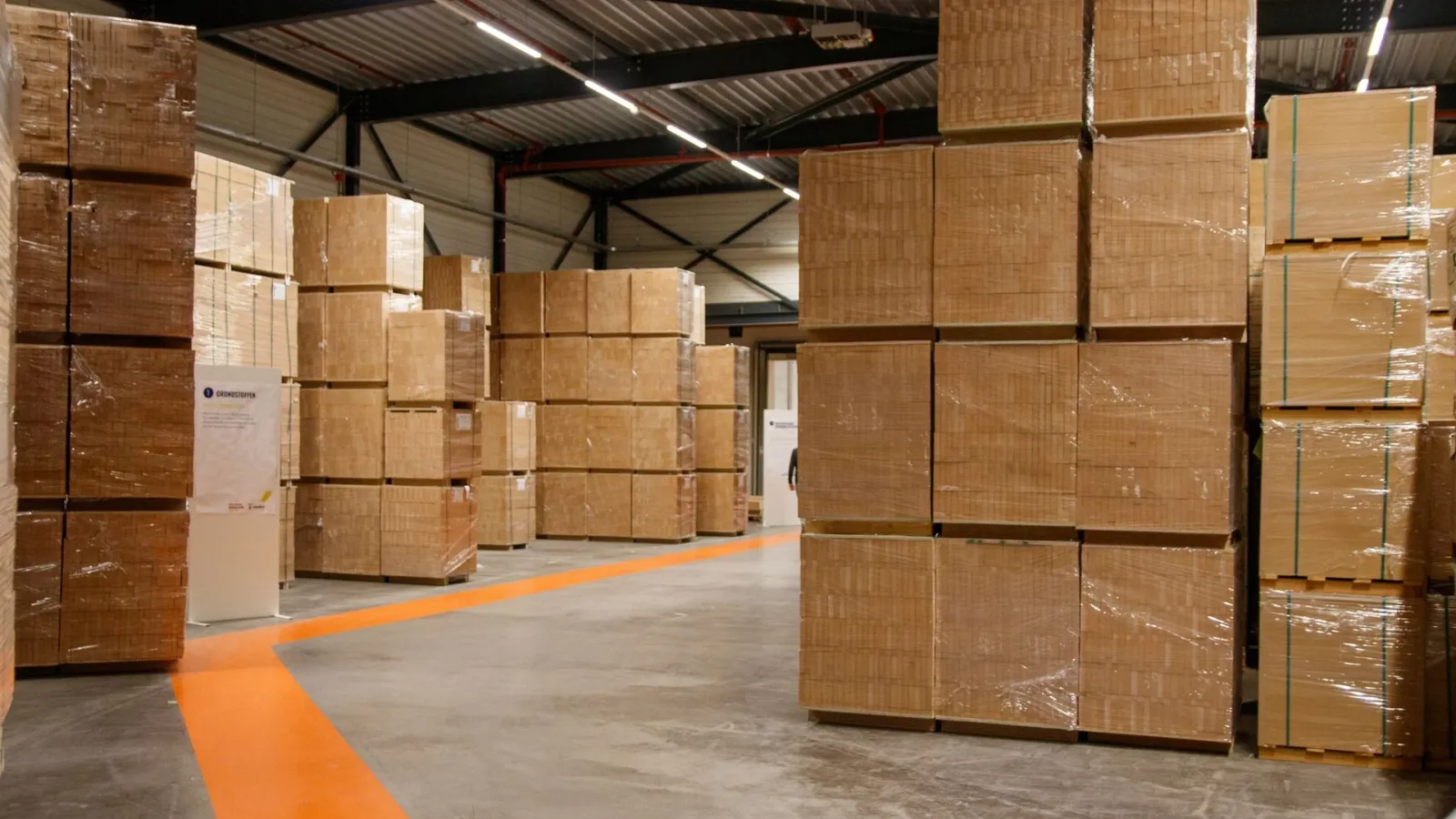
Packaging material is something almost every industry buys on a regular basis. A food manufacturer buys cartons, an e-commerce company buys shipping boxes, a logistics company buys stretch film, and a bakery buys printed cake boxes. The customer base is broad, and the product structure is far more complex than it seems. In this article, we look at the challenges packaging manufacturers and distributors face in the ordering process and how B2B software can simplify it.
In Packaging, a Product Means Size and Grammage
In the packaging industry, a "carton" on its own isn't a product. A carton is defined by its inner dimensions, flute structure (single wall, double wall), paper grammage, and whether it's printed. Likewise, stretch film is differentiated by micron, width, and roll weight, while bags are differentiated by size, thickness, and material type.
That's why hundreds of base products in a packaging catalog turn into thousands of variants. If variants aren't managed properly, the customer can't find the right product, asks a sales rep, and the process ends up back on the phone.
| Product Group | Attributes That Define the Variant | Common Unit of Sale |
|---|---|---|
| Corrugated carton | Inner dimensions (width x length x height), flute type, grammage, print | Unit, pack, pallet |
| Stretch film | Thickness (micron), width, roll weight, hand grade / machine grade | Roll, carton |
| Bags and sacks | Size, thickness, material, print | Kilogram, pack |
| Packing tape | Width, length, color, print | Roll, carton |
| Food packaging | Volume, material, lid type | Unit, carton |
In a good B2B portal, the customer should reach the right variant by first choosing the product group and then selecting attributes such as size and grammage. Selecting variants by attribute rather than from a list of codes significantly reduces the margin for error.
Sell From Stock or Make to Order?
At packaging companies, some products ship from ready stock while others are produced only when an order comes in. Standard-size cartons and stretch film usually sit in the warehouse, while slow-moving sizes or high-volume orders go into the production schedule. If the customer doesn't know the difference, they find out only after ordering that a product they expected the next day will arrive in two weeks.
Showing each product's stock status in real time in the portal and stating the estimated delivery time for made-to-order products prevents this disappointment. In a system that syncs with your ERP, the customer sees the actual quantity in the warehouse and plans accordingly.
Pallet, Carton, Unit: Clarifying Unit Conversion
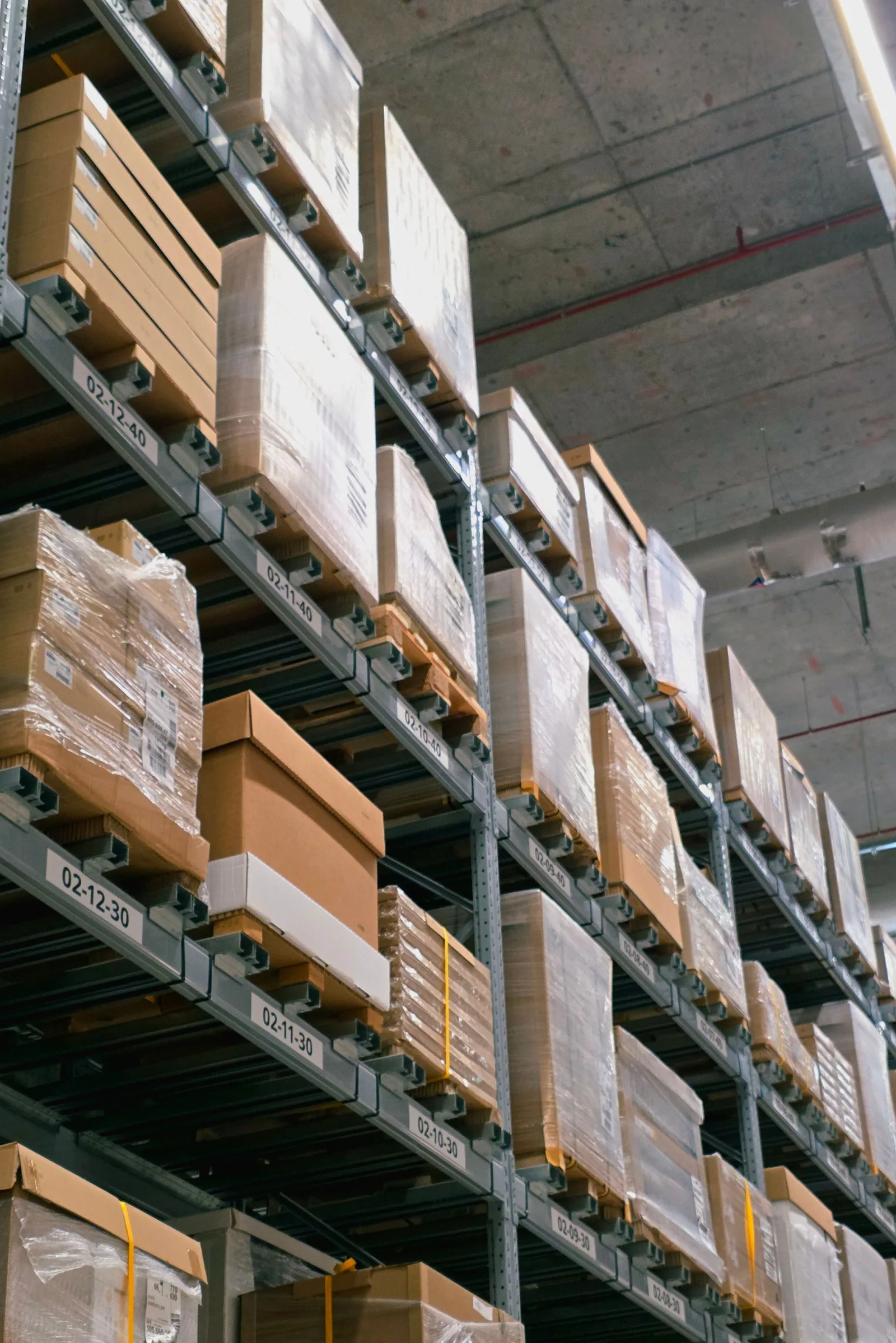
In packaging, the same product is ordered in different units. A small business may want 100 cartons, while a large manufacturer orders a full pallet. How many packs fit on a pallet, and how many units are in a pack, varies with the product's size.
When this information isn't clearly visible in the portal, two problems arise: the customer orders half a pallet and complicates shipping, or buys more than they need and wants to return it. The product card should show units per pack, packs per pallet, and the minimum order quantity.
Tiered Pricing: The Unit Price Drops as Quantity Rises
In packaging, the unit price is highly sensitive to order quantity. There's a clear difference between the unit price of 500 cartons and that of a 10,000-unit order. Calculating this difference by hand for every quote eats up your sales team's time and leads to inconsistencies.
- Tiered quantity discounts: The unit price drops automatically at certain quantity thresholds.
- Customer-specific pricing: Fixed list prices and discounts for customers on annual agreements.
- Currency and raw material impact: Changes in paper and polymer prices are reflected in the price list quickly.
- Cart-based campaigns: Extra discounts on orders above a certain amount.
In Multistok B2B, tiered quantity discounts and customer-specific price lists work together. As soon as customers enter a quantity in their cart, they see their own price and the tier they've reached. We explained in detail why customer-specific pricing matters in our article on why customer-specific pricing matters in B2B sales.
The Quoting Process for Printed and Custom Products
Many packaging companies produce custom products for customers alongside their standard range. For products such as cartons with a logo, printed bags, and custom-size boxes, the price depends on the size, the number of print colors, the quantity, and the cost of the printing plate or die.
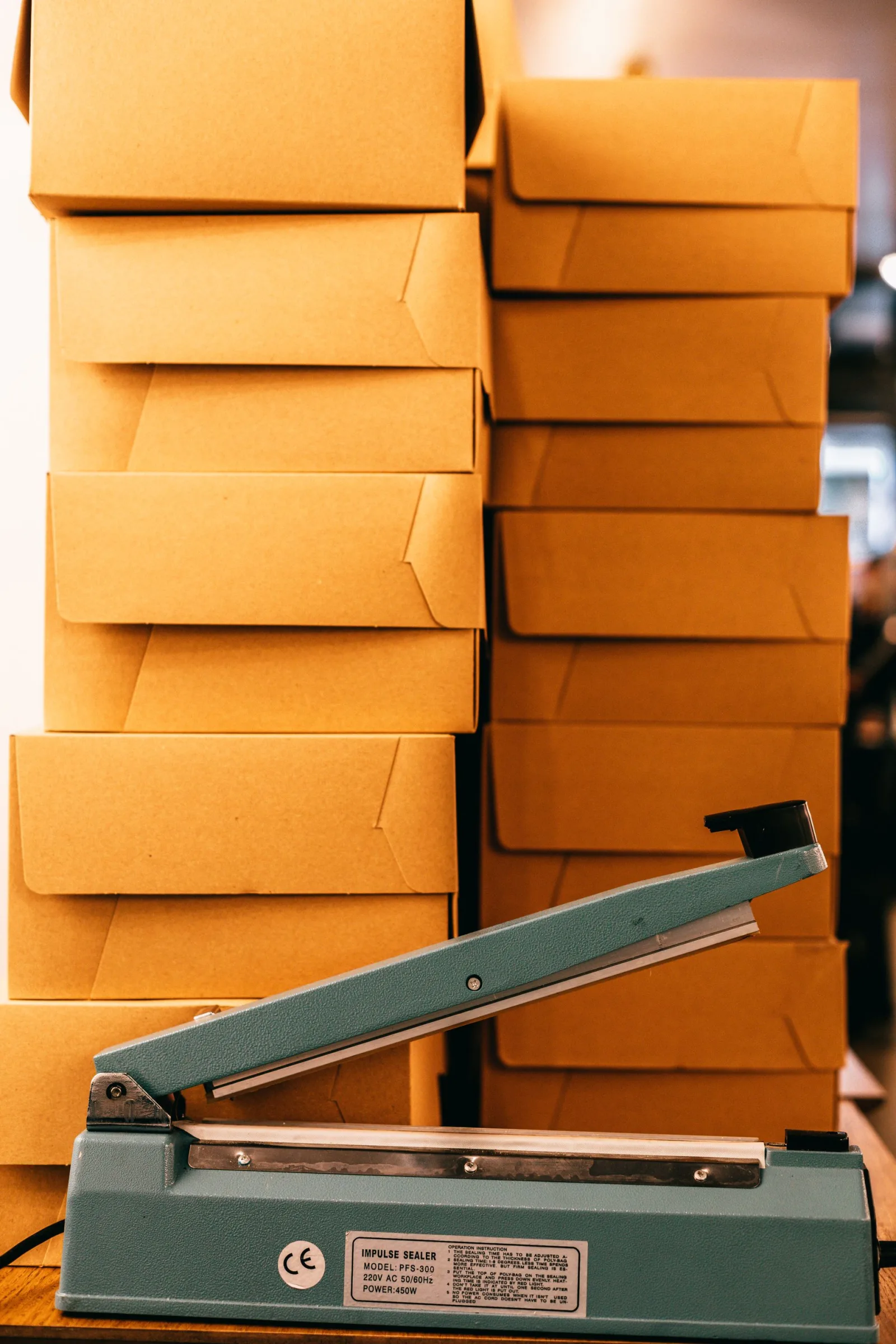
The minimum production quantity is also a deciding factor for printed products. Once the printing plate or die has been made, that cost doesn't recur on later orders, so the first order and repeat orders may be priced differently. Showing this difference clearly in the quote prevents price disputes with the customer from the start.
For these products, the portal uses a quote workflow instead of a fixed price. The customer shares their need, and the sales team prepares the quote and revises it if needed. In Multistok B2B, quotes are prepared as PDFs, their versions are saved, and they can be sent via WhatsApp or email. Once an approved quote is turned into an order, the entire history stays on record; for the next reorder, no one has to dig up the same size and print details again.
Reorders: The Real Strength of Packaging
Packaging is a consumable product. A food manufacturer buys similar quantities of cartons, tape, and stretch film every month. Having this customer call a sales rep every time is an unnecessary workload for both the customer and you.
In a good B2B portal, customers should be able to add the products they buy regularly to their cart without searching for them each time. Uploading bulk orders via Excel for large lists and working with reorder alerts on the stock side also reduce this load. You can read about the difference between sending price lists by email and using a portal in our article on using a dealer portal instead of sending price lists.
If a large share of your packaging customers are food and beverage manufacturers, you can also explore their ordering habits on our food and beverage sector page.
What Does Multistok B2B Offer Packaging Companies?
Multistok B2B brings a variant-based product catalog, customer-specific pricing, quoting, and reorder processes together in a single portal. With two-way ERP synchronization, stock, pricing, and order information always stays up to date.
- Customer-specific price lists, discounts, and credit limits
- Tiered quantity discounts and cart-based campaigns
- PDF quotes and version tracking
- Bulk ordering via Excel and reorder alerts
- Multi-warehouse stock management and warehouse transfers
- Shipping integration, automatic labels, and tracking code notifications
Conclusion
Success in selling packaging materials depends on defining variants correctly, clarifying units, and making reorders effortless. A B2B portal where customers can order standard products on their own, and where the quoting process for custom production stays on record, frees your sales team from routine work so they can focus on new customers. To see how it works with your own product structure, request a free demo.
Frequently Asked Questions
How Can I Manage Thousands of Carton Sizes in the Portal?
The most practical method is to define products as variants under a main group, using attributes such as size, flute type, and grammage. Product data is imported from your ERP, and the variant structure is configured during setup based on your product range.
Can Customers See Prices for Printed Products in the Portal?
Because prices for printed and custom-size products vary, they're usually handled on a quote basis. The approved quote is turned into an order and used as a reference for later reorders.
Can I Set Separate Prices for Pallets and Cartons?
Yes. With tiered quantity discounts, a lower unit price can be applied to orders that reach pallet quantities.
How Do I Update Price Lists When Raw Material Prices Change?
When prices are updated in your ERP, the integration reflects them in the portal as well. Customers always see the current price, and you don't need to email out a new list.