The stock count looks like the simplest piece of information in a B2B sales process. You know how many units are in the warehouse, and the system shows it. But if that information reaches your dealer's or sales rep's screen late, what you have is not a number but an estimate. The problems caused by stock information that isn't updated in real time often look small one by one, but together they add up to a serious cost. In this article, we look at these problems and how to prevent them.
Why Is Stock Information Delayed?
At many companies, stock information is accurate in the ERP system, the core software that holds accounting, inventory, and orders. The problem is how that information gets carried over to sales channels. The most common situations are:
- The stock list is sent to dealers as an Excel file every morning, and changes during the day aren't reflected.
- The B2B portal or e-commerce site syncs with the ERP once a night.
- Stock on marketplaces is updated separately and by hand.
- With multiple warehouses, each warehouse's data is collected at different times.
With all of these methods, a gap opens up between the moment stock actually changes and the moment it changes on the sales screen. Most of the problems happen in that gap.
You Sell Products You Don't Have
This is the best-known consequence. The dealer sees stock on the screen and places the order. But that product was sold to another customer a few hours earlier. When the order reaches the warehouse, the product isn't on the shelf.
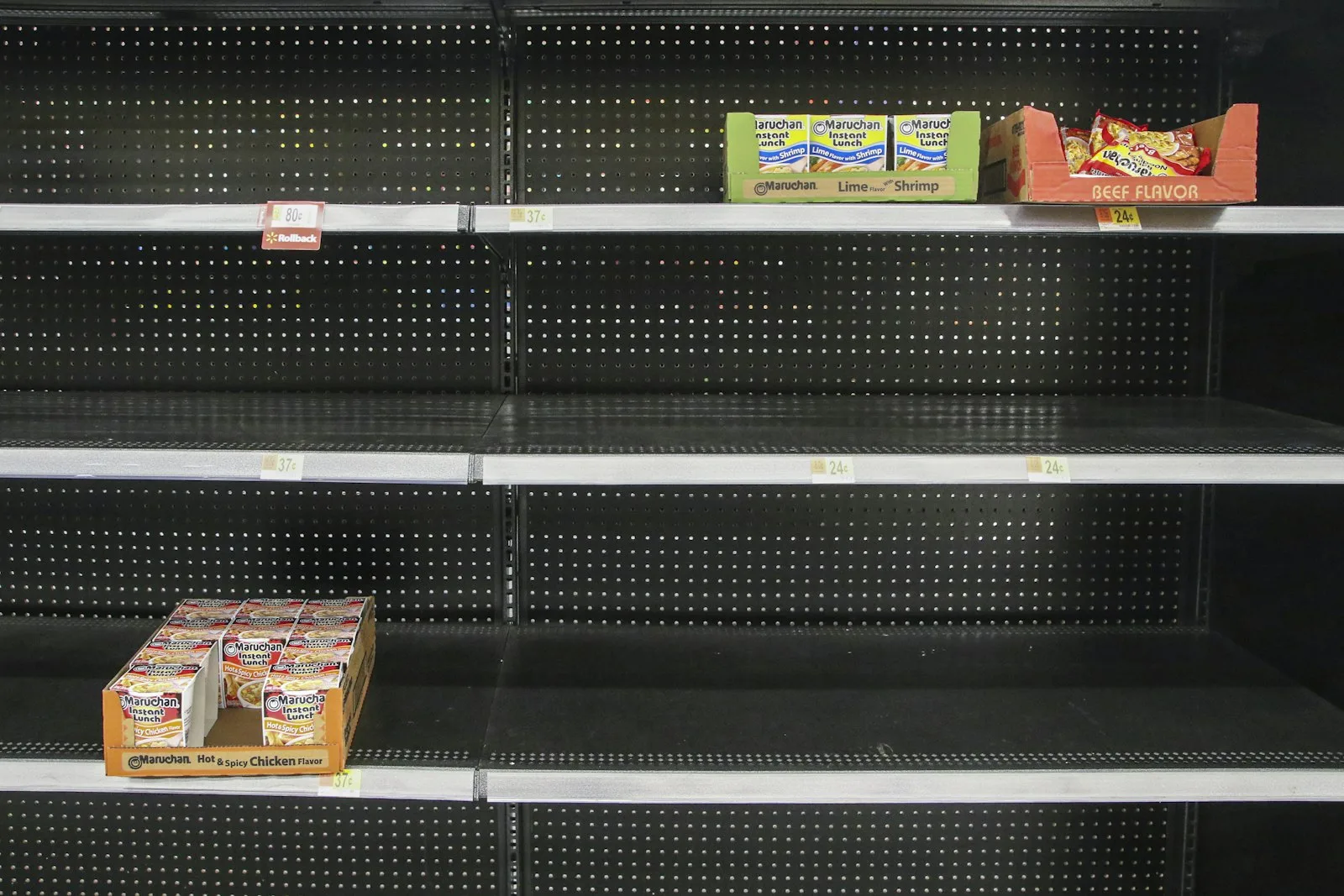
What follows is a familiar chain: the sales rep calls the dealer, apologizes, suggests an alternative product, or pushes back the delivery date. The dealer then has to have the same conversation with their own customer. After this happens a few times, the dealer stops trusting the stock information on the screen and starts calling you before every order. That wipes out the portal's most important benefit: being able to order on their own.
There's also the dealer's side of the story. Dealers have often already sold the product they buy from you to their own customer, or committed it to a project. A cancellation on your side can turn into a lost customer or a late-delivery penalty on theirs. That's why, in the dealer's eyes, a stock error isn't an ordinary hiccup; it's a question of reliability.
You Miss Sales and Carry Excess Inventory
Delayed stock information doesn't only cause you to sell products you don't have. The opposite happens too. New goods have arrived at the warehouse, but the system still says "out of stock." The dealer can't see the product and buys it from your competitor. The sale is lost, and the product keeps sitting in the warehouse.
A similar problem shows up in purchasing. When you can't clearly see how fast each product is selling, you end up holding too much stock of some items and too little of others. Both tie up your capital unnecessarily.
There's also a hidden cost: your team's time. In a setup where stock information can't be trusted, sales reps call the warehouse before every order, the warehouse manager checks the shelves, and accounting corrects invoices for canceled orders. None of these tasks takes long on its own, but repeated throughout the day they become a serious workload. If you sell on marketplaces, the picture gets even harder, because the same product can be sold to a dealer and a marketplace customer at the same time. Order cancellations on marketplaces can also hurt your store rating.
Delayed vs. Real-Time Stock
| Situation | Delayed stock | Real-time stock |
|---|---|---|
| Dealer orders | Phone confirmation needed before approval | Orders placed directly from on-screen data |
| Cancellations and delays | Frequent | Largely prevented |
| Marketplace sales | The same product can be sold on two channels | All channels see the same number |
| Team time | Spent answering stock questions | Devoted to sales and customers |
How Does Real-Time Stock Synchronization Work?
The foundation of the solution is for sales channels to receive stock information directly from the ERP, with no middle step, on a continuous basis. This is called synchronization: two systems showing the same information at the same time.
Multistok works with your ERP system in real time and in both directions. When a product leaves the warehouse or new goods arrive, that information is reflected in the B2B portal. Orders from dealers are transferred to the ERP the same way. On our website we cite a sync time of around 190 ms, which means that in practice the data updates without any wait. Ready-made connectors are available for Logo, Mikro, Netsis, Nebim, SAP, and similar systems. You can see the full list of connectors on our integrations page.
Alongside real-time synchronization, other features make your work easier as well:
- Multi-warehouse management: Each warehouse's stock is tracked separately, with lot and serial number tracking and alerts when stock runs low.
- Stock level ranges: Instead of exact quantities, dealers can be shown ranges such as "10+" or "50+".
- Marketplace integration: Stock on Trendyol, Hepsiburada, Amazon, and N11 is fed from the same source.
- Stock risk and demand forecasting: AI-powered reports flag products that are about to run out in advance.
If you're curious about the general logic of integration, our article on software integration is a good place to start.
Conclusion
When stock information isn't updated in real time, you sell products you don't have, fail to sell the ones you do, and your team spends a big part of its day confirming stock. When you connect your sales channels to a system that works with your ERP in real time, your dealers order with confidence in what they see on screen, and you can focus on growing your business instead of dealing with these problems. If you'd like to see real-time stock synchronization with your own ERP, you can explore the Multistok demo.