Distributors and dealers are the two business partners manufacturers rely on most to bring their products to market. In everyday language the two terms are often used interchangeably, yet their position in the sales chain, the responsibilities they take on and their relationship with the manufacturer are quite different. Understanding these differences is the first step toward building the right sales channel and managing each partner properly.
Who Is a Distributor?
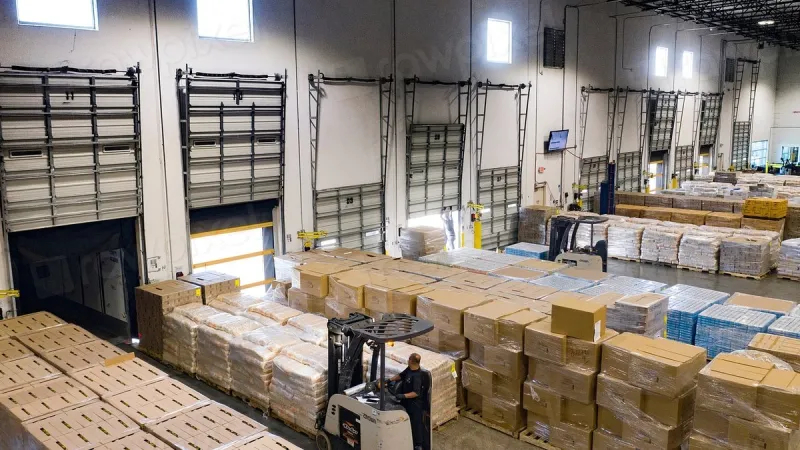
A distributor buys products from the manufacturer in large volumes, stocks them in its own warehouse and distributes them to dealers, retailers or corporate customers within a given region. Distributors usually carry products from several manufacturers and have their own logistics network and sales team.
Who Is a Dealer?
A dealer sells the manufacturer's or distributor's products to end users or small businesses. Dealers often represent a brand locally and run a store, showroom or service point. They are the link in the chain closest to the customer.
Key Differences
Position in the sales chain: The distributor is the wholesale link between the manufacturer and the dealer. The dealer is the point in the chain closest to the end user.
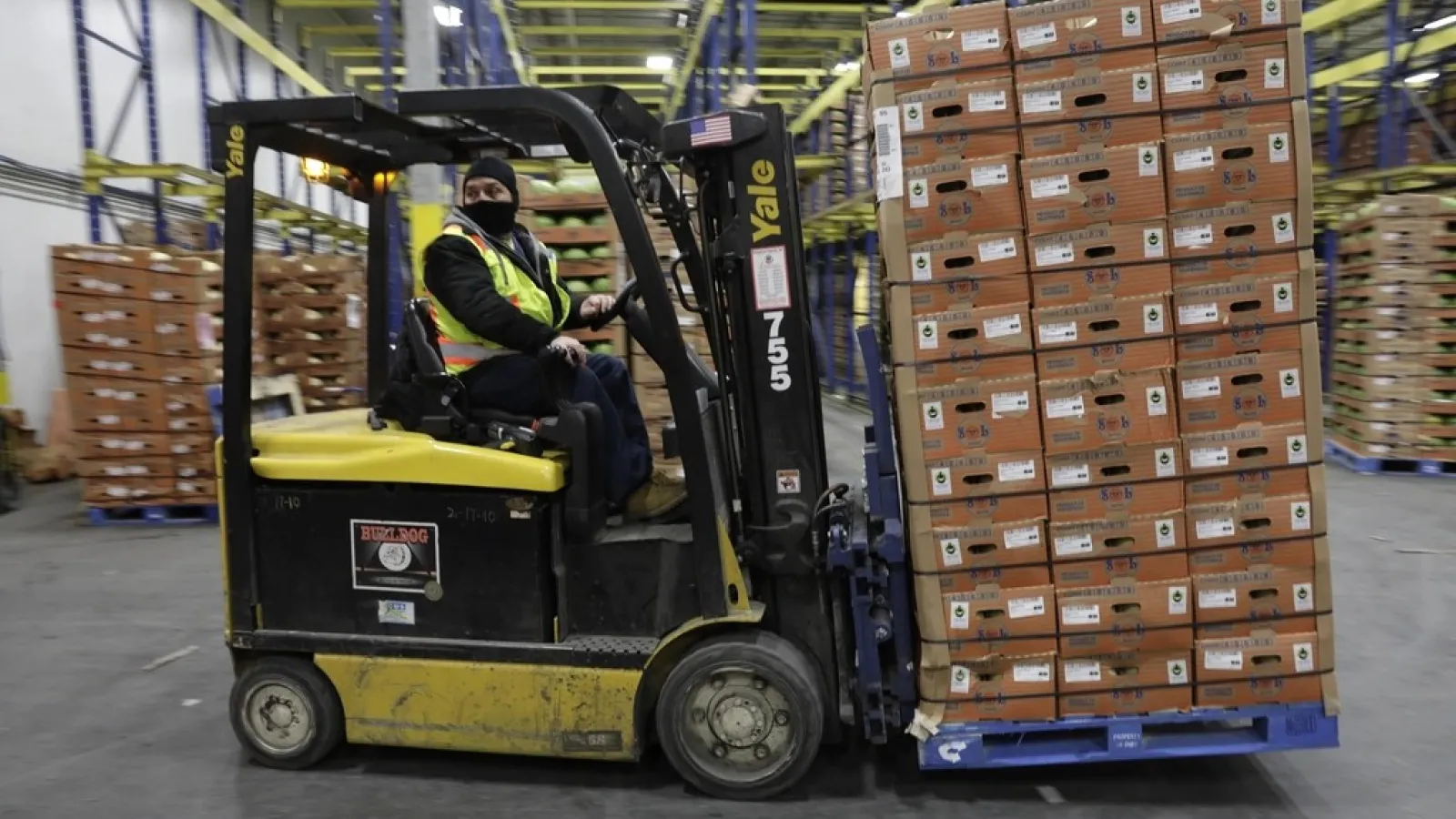
Order volume: Distributors place regular, high-volume orders by the pallet or truckload. Dealer orders are smaller but more frequent.
Stock and logistics responsibility: Distributors hold large inventories and handle distribution within their region. Dealers usually work with limited stock based on how fast they sell.
Territory rights: Distributors are often granted exclusive sales rights in a specific region. With dealerships, several dealers may operate in the same area.
Brand representation: Dealers typically represent one brand or a limited number of brands and must follow brand standards. Distributors may carry many brands in their portfolio at once.
Pricing and discount structure: Because of their volume, distributors receive deeper discounts and longer payment terms. Dealer terms are usually tiered by order volume and dealer level.
Which One Should You Work With?
If you want to reach a wide geography quickly and share the logistics burden, the distributor model is an advantage. If you want strong brand representation in the field, closeness to end users and control over the customer experience, a dealer network is a better fit. Many manufacturers use both: distributors handle regional distribution while dealers represent the brand in sales and service.
Managing Both Partners on One Platform
Distributors and dealers have different price lists, discounts, payment terms and ordering habits. Managing these differences through email and spreadsheets increases the risk of errors. A B2B platform gives each partner its own prices, terms and ordering screen, making it possible to run both models from one hub.
Conclusion
Distributors and dealers are business partners that complement each other in the sales chain while playing different roles. Manufacturers that define these differences clearly and offer each partner the right terms reach the market faster and grow without channel conflict.