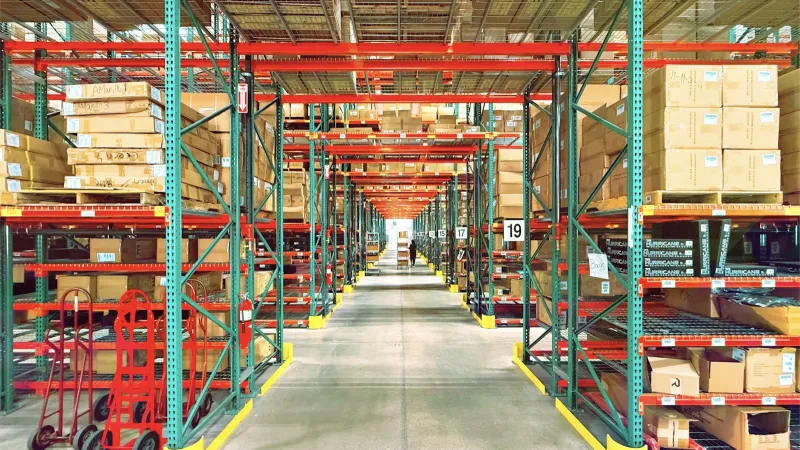
In the toy industry, sales are not spread evenly across the year. A handful of peak periods, such as the run-up to New Year, the start of the school year, the end of the school term, and religious holidays, account for a large share of annual revenue. During these periods, dealer orders multiply quickly, popular products sell out fast, and it gets harder to track how much product has been allocated to which dealer. Manually entering orders that arrive by phone, email, and WhatsApp slows your team down at exactly the busiest time.
In this article, we look at the main challenges toy manufacturers, importers, and wholesalers face in dealer sales, and how a B2B dealer portal eases them.
The Challenges of Dealer Sales in the Toy Industry
Toy sales have some characteristics that set them apart from many other industries:
- Seasonal demand: Most orders are squeezed into windows of just a few weeks.
- A large, fast-changing catalog: New products are added every season, and some are dropped from the catalog.
- Case-based sales: Products are usually sold by case pack quantity rather than individually.
- A wide range of age groups and categories: Everything from baby toys to board games sits in the same catalog.
- Compliance documents: For children's products, safety and conformity documents are among the first things dealers and end users ask about.
This takes the dealer relationship well beyond simply taking orders. For a general framework on managing your dealers along with targets, performance, and pricing terms, see our article on what a dealer management system is.
Seasonal Sales and Pre-Orders
For toy companies, preparation for peak season starts months in advance. Collecting early orders from dealers for holiday products helps you set the right import or production quantities and distribute stock fairly among dealers.
The pre-order feature in the dealer portal lets dealers order products that have not yet arrived at the warehouse. By reporting collected orders by product and by dealer, you can plan how much to bring in based on actual demand. AI-powered demand forecasting and stock risk alerts also look at past sales to show in advance which products are at risk of selling out.
During peak periods, you can encourage dealers to order early by defining campaign rules such as seasonal campaigns, cart discounts, and quantity-based tiered pricing.
The school season calls for similar preparation. Educational products where stationery and toys overlap, coloring sets, and board games take center stage during this time. Grouping these products under a separate category or campaign in the portal lets dealers see seasonal items at a glance.

Case Pack Quantities and Stock Visibility
In wholesale toy sales, a dealer usually can't order a single unit of a product. In the portal, you can add the case pack quantity to the product card and use minimum and maximum order quantity rules to make sure orders match full cases. This reduces extra warehouse work such as breaking cases and repacking.
Stock information flows from your ERP to the portal in real time. Because the stock a dealer sees during peak season matches the stock in the warehouse, you avoid orders for sold-out products that later have to be canceled. If you prefer, you can show tiered stock levels such as 10+ or 50+ instead of exact quantities. If you have more than one warehouse, the multi-warehouse module lets you track stock by location. When the season ends, you can hide unsold products from certain dealer groups or promote them with a clearance campaign.
Age Group Filters and Product Information
In a large toy catalog, it's important for dealers to find what they're looking for quickly. With parametric filters that narrow products down by their attributes, you can offer options such as age group, category, brand, and price range. That way, a dealer can run a search like "educational toys for ages 3–5" in just a few clicks.
For children's products, compliance documents matter as much as product images. You can attach information on conformity marks such as the CE marking, along with related documents, to the product details as PDFs, so your dealers can easily access them while ordering. As for which document is required for which product, we recommend relying on the advice of your own regulatory consultant.

Managing Dealer, Retail, and Marketplace Sales Together
Many toy companies sell through their own website and marketplaces in addition to dealer sales. Multistok can integrate with marketplaces such as Trendyol, Hepsiburada, Amazon, and N11. With shipping integration, shipments are created automatically and tracking codes are sent via SMS or WhatsApp. On the dealer side, these features stand out:
| Feature | Benefit for Toy Companies |
|---|---|
| Dealer-specific pricing and discounts | Each dealer sees their own negotiated prices |
| Reordering | Steady sellers are reordered quickly |
| Current account and online collections | End-of-season balances and payment terms are easy to track |
| Returns module | Returns of damaged or defective products are recorded |
| Field sales rep app | Orders and quotes are entered on site during store visits |
You can see how to connect with the ERP and e-commerce platform you use on our integrations page.
Conclusion
In the toy industry, a dealer portal helps you go into peak seasons prepared, collect pre-orders in an organized way, and manage case-based sales without errors. When your dealers can access stock, pricing, and product information on their own, your team can focus on their work instead of the phone during the busiest period. If you want to prepare for next season with a portal, you can request a demo from the Multistok team.